Guide · Pipes, leaks & valves
Plumbing Permits in Markham
Relocating a drain, putting in a new bathroom or swapping the water service generally needs a building permit and an inspection before the walls close. Here is which jobs usually do and how the paperwork fits around the work.
- A plumber answers when you call
- Clear price before any pipe is cut
- Basements left as clean as we found them
The Markham angle
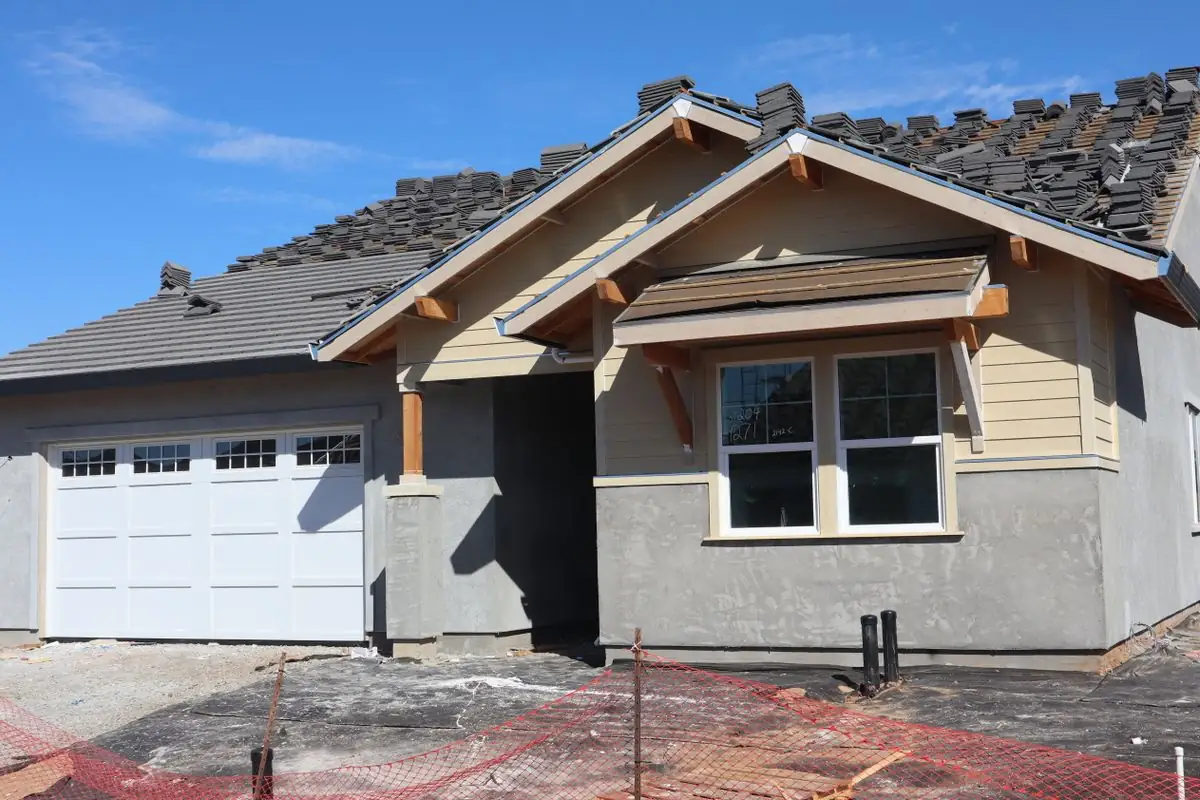
The Ontario Building Code sets the rules for plumbing, and the City of Markham's Building Standards department issues permits and sends inspectors. A permit means a qualified inspector looks at the work, usually before it is covered by drywall or concrete. Unpermitted plumbing can surface years later during a home inspection, a basement suite registration or an insurance investigation after a leak.
Markham has also seen steady growth in second suites and basement apartments. Those projects bring plumbing, fire separation and egress rules together, and the city looks at them as a whole.
One step after another
- Decide whether the job needs a permit. As a general guide, new plumbing, moved fixtures, new drains, backwater valves and most renovations that alter the system do. Simple like-for-like swaps of a faucet or toilet usually do not. Confirm with the city for your specific job.
- Agree who applies. Owners can apply, but most homeowners have their contractor or designer handle it. Put that responsibility in the written quote.
- Prepare drawings. Larger projects need plans showing fixtures, drain sizes and venting. Basement work may need more detail if a suite is involved.
- Submit and wait. The City of Markham accepts applications online. Review times vary with the season and the complexity of the job.
- Book inspections. Typical plumbing stages include an underground drain inspection before concrete is poured, a rough-in before walls close, and a final once fixtures are set.
- Keep the records. Save the permit, inspection reports and final sign-off with your house papers.
Jobs that often need a permit
| Usually yes | Usually no |
|---|---|
| Basement bathroom rough-in | Replacing a faucet in place |
| Backwater valve installation | Replacing a toilet in the same spot |
| Moving a kitchen sink or adding an island sink | Fixing a leak in an existing pipe |
| Repiping or replacing a drain stack | Clearing a clogged drain |
| Sewer lateral replacement on private property | Swapping a shower head |
This table is a rough guide, not a ruling. Gas appliance work falls under separate provincial rules, and properties in heritage districts such as parts of Markham Village and Unionville may have extra steps for exterior changes.
Slip-ups we see often
- Closing up walls before the rough-in inspection. The inspector may ask for them to be opened.
- Accepting a discount for skipping the permit. The savings vanish the first time a buyer's inspector asks for records.
- Assuming a permit for the renovation covers the plumbing. Confirm the plumbing scope is on the application.
- Losing the paperwork. Scan it and keep a copy in the cloud.
Time to pick up the phone
Talk to us early on any job that changes your drains, adds fixtures or touches the main line. We can tell you what is likely to need a permit and fold it into the plan. See our pages on basement bathroom rough-ins and backwater valves, or read planning plumbing for a basement renovation.
Typical plumbing stages include an underground drain inspection before concrete is poured, a rough-in before walls close, and a final once fixtures are set.
From the job notes of Plumbers in Markham
Guide · Pipes, leaks & valves
Signs to watch for
- The meter dial turns with every tap off
- Flow that falls off when a second tap opens
Call a plumber when
- Water is reaching a ceiling, wall cavity or electrical panel
- Sewage is coming up through a floor drain or toilet
- You smell gas near the water heater: leave and call the gas utility first
- A valve will not close or a fitting keeps weeping after tightening
Markham note. Markham water service lines enter on the street-facing basement wall, and the main shut-off and meter usually sit right there. In older houses that valve is often a rusty multi-turn gate valve left untouched since the house was built.