Markham area · 19th and early 20th century
Plumbers in Markham Village
Markham Village grew up around Main Street North and the old mill on the Rouge. Its plumbing tells a story that spans more than a century.
- Crews familiar with how this neighbourhood was piped
- Main shut-off and pipe material checked on every call
- Price before work, tested before we leave
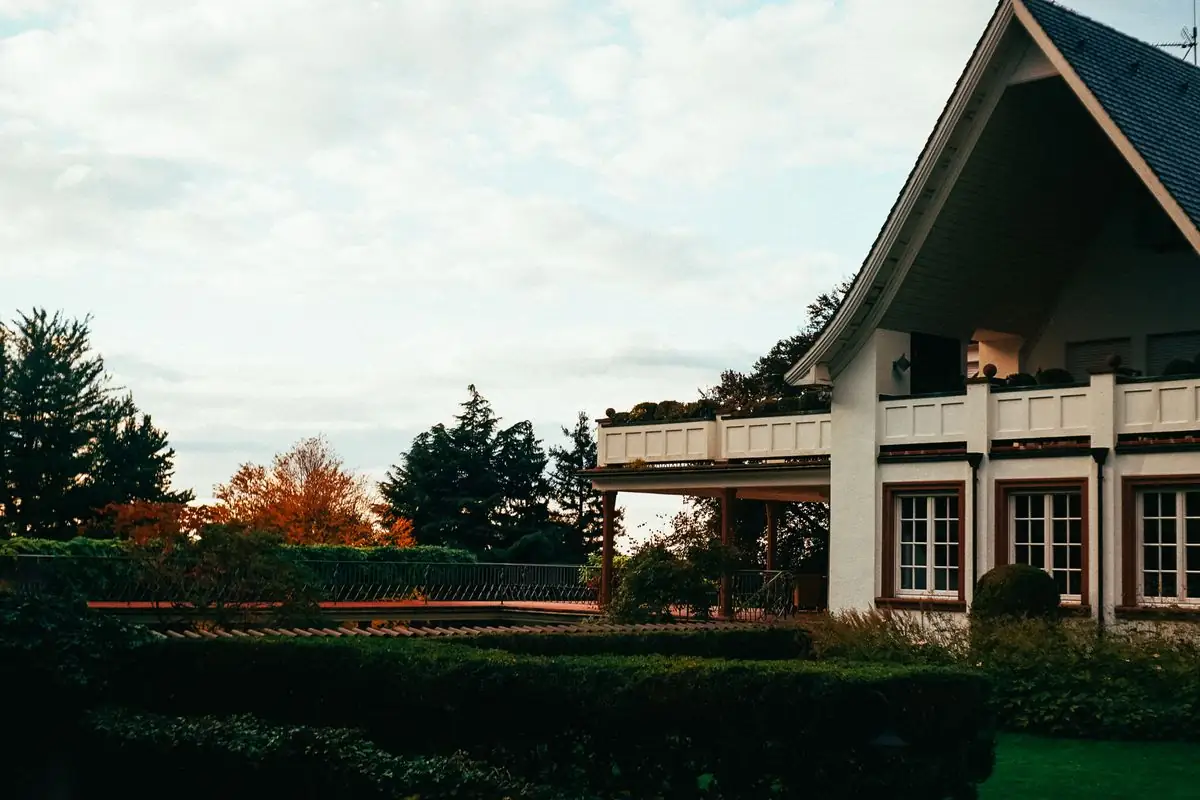
Homes and pipes in Markham Village
The oldest houses near Main Street North and Robinson Street were built in the nineteenth century, with additions from every decade since. Many have clay tile sewer laterals, cast iron stacks and supply lines that changed material more than once. Further out, post-war bungalows and 1960s and 70s split levels fill the streets around Bullock Drive and Wootten Way, each with their own set of quirks.
In these older homes, a single problem often hides another. A leaking tub drain may sit next to a corroded section of galvanized pipe, and a slow basement drain may be caused by a cracked clay joint under the floor. We explain what we find, put it in plain words, and let you decide what to tackle now and what can wait.
Calls this corner of town makes
- Clay sewer laterals cracked or offset, leading to recurring backups.
- Galvanized supply lines causing rusty water and low pressure.
- Old basement floor drains without traps or backwater protection.
- Renovations that need new venting to meet current code.
For recurring main line clogs, we usually start with a camera to see the condition of the lateral. Sometimes clearing is enough; sometimes the pipe needs sewer line repair. Low pressure from galvanized pipes is best handled with repiping.
Through the seasons here
The Rouge River runs right through the village, and spring thaw or summer storms can push water tables up quickly. Homes in low spots should keep an eye on floor drains and sump pits. In January, older stone and brick foundations let cold reach basement pipes more easily, so insulating exposed lines near outside walls is a smart, inexpensive step.
Working in older houses
A plumbing visit in a century home starts with a good look around. We trace where the water enters, how the stack runs, and which repairs earlier owners made, sometimes with creative materials. That map helps us avoid surprises and keeps openings small. If the house sits within the Markham Village heritage conservation district, exterior work like new vent penetrations may need review, so we flag that early.
We also respect the quirks people love about these houses: narrow staircases, original floors and plaster walls. Drop cloths go down, shoes come off at the door when you ask, and we clear up thoroughly before heading back down Main Street.
Getting hold of a plumber
We serve the whole village, from 16th Avenue up past Major Mackenzie and from McCowan to Ninth Line. Call (365) 334-6254. We'll share our best read of the problem, how we plan to fix it, and we will leave the place tidy afterwards.
Sometimes clearing is enough; sometimes the pipe needs sewer line repair .
From the job notes of Plumbers in Markham
Local file · Markham Village
Under the floors in Markham Village
| Item | What we usually find |
|---|---|
| Main era | 19th and early 20th century |
| Supply pipe | Galvanized steel, patched with copper |
| Drains and sewer | Cast iron stack, clay lateral |
| Watch for | Roots in the lateral, undersized water service, lead or galvanized remnants |
A general picture of the housing stock. Renovations change what is behind any one wall.
First checks on a call here
- Where the main shut-off and meter sit, and whether the valve still turns
- Age and type of the water heater and its venting
- Floor drain, cleanout and any backwater valve
- Supply pipe material visible in the basement ceiling