Residential · Pipes, leaks & valves
Burst Pipe Repair in Markham
A split copper line or a blown-off poly-b fitting can push several litres a minute into a ceiling. We close the main, cut out the damaged length, sweat or press in new pipe and pressure-test the run.
- Pipe strapped and insulated on cold exterior walls
- Static and flow pressure read at a hose bib
- Copper, PEX and poly-b repairs and replacement
- Main shut-off exercised and labelled
- Licensed plumbers (details on request)
- Price agreed before work
- Call-only, no forms
- Tested before we leave
Signs you need burst pipe repair
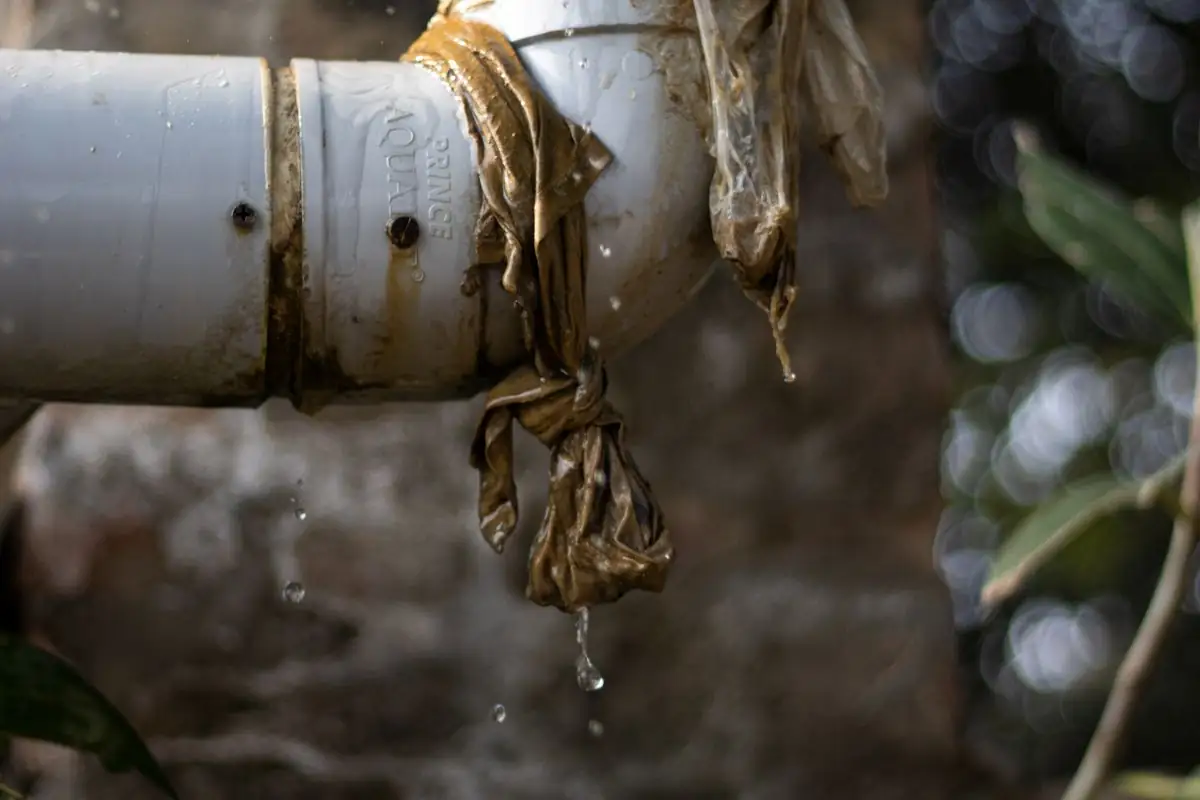
The obvious sign is water spraying or pouring from a line. The less obvious signs are a sudden drop in pressure at every tap, a water meter dial that keeps spinning with everything turned off, or a wet patch on drywall along an outside wall. During a deep freeze, a tap that gives nothing but a trickle may be sitting behind an ice plug, and the split often shows up only once it thaws.
Our routine on the day
We start by making sure the supply is shut and the space is safe. Next we open up a small opening in drywall or ceiling, only what it takes to expose the damage clearly. Copper is cut back to sound pipe and joined with new fittings; PEX is repaired with crimp or expansion fittings rated for the job. If the failure came from freezing, we look at why that stretch of pipe got cold in the first place.
Once the repair is in, the system is refilled slowly, bled of air and checked under full pressure. We then show you the repair before the opening is closed, so you know what is behind the wall.
Markham houses and what shapes this job
Many homes built in the 1970s and 1980s around Markville, Middlefield and Milliken Mills ran supply lines through unheated garages or bump-out walls. Those runs are the usual suspects when the temperature drops below minus twenty. Homes in Angus Glen and Cachet with large windows over kitchen sinks sometimes have lines tucked into cold exterior cabinets.
Older galvanized pipe can also fail from the inside out, rusting thin until a small pressure spike splits it. In that case a patch buys time, but we will tell you honestly if the rest of the line is close behind and whether repiping makes more sense.
Outdoor taps deserve a mention. A hose left connected through the cold months leaves a plug of water in a frost-free bib, which may crack it inside the wall, where nobody notices until spring. Our winterizing note explains the simple fix.
Preventing the next one
After the repair we may suggest foam insulation on exposed runs, sealing a draughty rim joist, or rerouting a line away from an outside wall. These are modest jobs, and they tend to end the yearly cycle of thaw and drip.
Ring us without delay if
Call as soon as you have shut off the main. Every hour of standing water wicks further into drywall, subfloor and insulation. If you cannot stop the flow, call while you keep looking for the valve, and we will talk you through it. For tips on keeping pipes warm through the season, see our piece on frozen pipes in a Markham winter.
Older galvanized pipe can also fail from the inside out, rusting thin until a small pressure spike splits it.
From the job notes of Plumbers in Markham
Job card · Pipes, leaks & valves
On the van for this job
- PEX crimp and expansion tools with fittings
- Gauges for static and flow pressure tests
Signs you need this
- The meter dial turns with every tap off
- Flow that falls off when a second tap opens
What we check before we pack up
- Read static pressure at a hose bib
- Pressure-test new pipe before closing walls
| Pipe | Era | Watch for |
|---|---|---|
| Galvanized steel | Pre-1960s | Rust narrows the bore |
| Poly-b (grey) | About 1978 to 1995 | Fitting failures, brittle pipe |
Markham note. Markham water service lines enter on the street-facing basement wall, and the main shut-off and meter usually sit right there. In older houses that valve is often a rusty multi-turn gate valve left untouched since the house was built.
How the job runs, start to finish
- 1
On the phone
Explain what the water is doing and where. We ask the age of the house and which valve or breaker to shut while we drive over.
- 2
Drop cloths down
Floors and cabinets get covered, the water or gas is isolated and the work area is lit.
- 3
Find the failed part
We open the trap, cleanout, access panel or wall where the fault is, and show you what we found.
- 4
Quote, then work
We explain what failed and what the fix costs; no cutting starts until you say yes.
- 5
Cut, fit, seal
Old parts come out, new pipe, valves or fixtures go in, and joints are soldered, pressed, crimped or glued.
- 6
Test and ticket
We run water, pressure-test or fire the heater, check for drips, clean up and leave a written ticket of what was done.